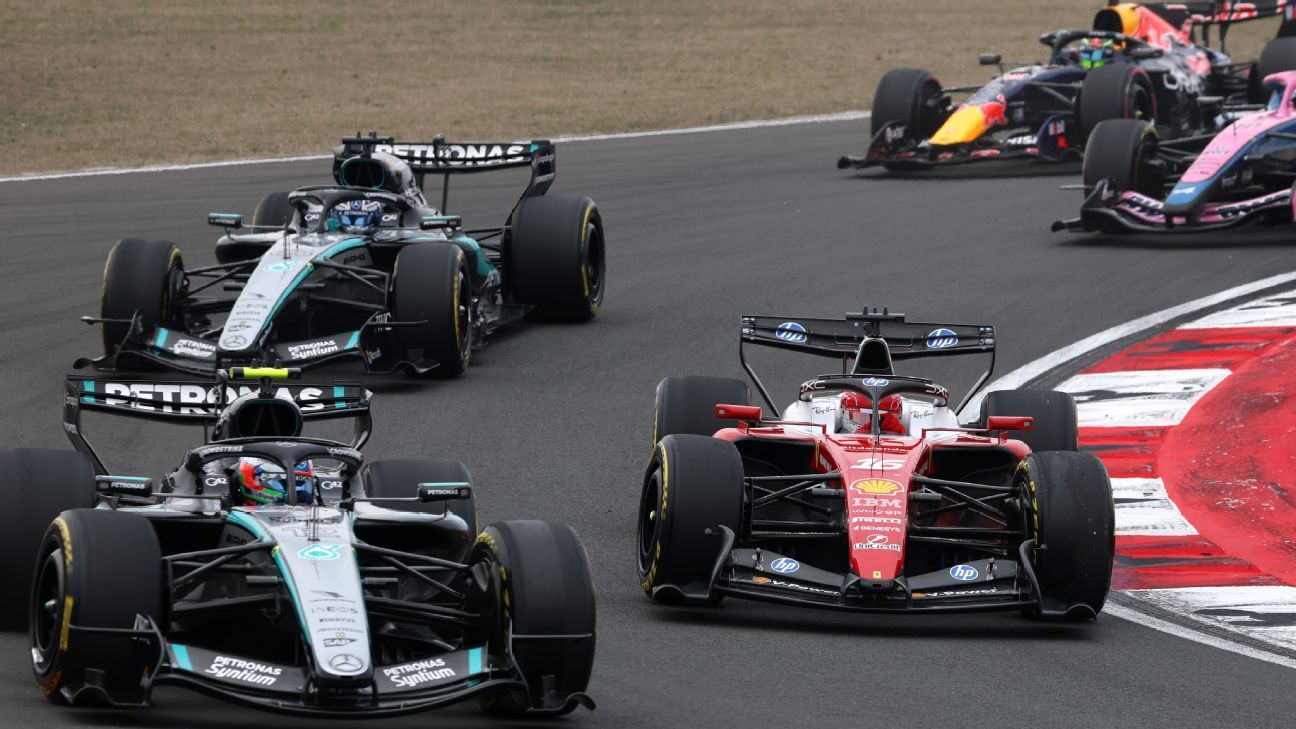
In response to driver feedback and ongoing concerns about the 2026 regulations, Formula 1 has announced a series of rule adjustments aimed at addressing key issues. These changes come after widespread criticism from drivers who felt the original rules could negatively impact racing quality and safety.
The 2026 regulations, initially designed to promote sustainability and cost control, introduced significant technical and sporting changes. However, many drivers expressed doubts about their practicality and potential to reduce competitiveness. In particular, concerns centered around aerodynamics, tire management, and the overall racing spectacle.
One of the main areas of adjustment involves aerodynamics. Drivers argued that the original rules could lead to less overtaking opportunities and a less exciting race. The revised rules aim to improve car followability by modifying wing designs and airflow management, potentially enhancing overtaking chances and race dynamics.
Additionally, the tire management regulations have been tweaked to provide teams and drivers with more strategic options. This includes adjustments to tire degradation parameters and pit stop strategies, which could lead to more unpredictable and engaging races. The goal is to strike a balance between technical innovation and exciting competition.
Safety considerations also played a role in the rule revisions. The FIA and F1 management reviewed crash data and driver feedback to enhance safety protocols, including improvements in car structure and crash barriers. These measures are intended to protect drivers without compromising the technical integrity of the new cars.
Furthermore, the changes aim to address concerns about cost caps and resource allocation. By refining certain technical specifications, F1 hopes to make it easier for teams to develop competitive cars within the budget constraints, fostering a more level playing field.
While these adjustments are seen as a positive step, experts and fans alike are debating whether they will truly make a difference in the racing experience. Some believe that the core issues stem from the fundamental design philosophy of the 2026 regulations, which may require more comprehensive reforms.
As the Miami GP approaches, teams and drivers are closely evaluating how these rule tweaks will influence their strategies and performance. The upcoming races will serve as a testing ground for the effectiveness of these changes, and their impact on the championship battle remains to be seen.
Overall, the revised rules reflect F1’s commitment to balancing innovation with entertainment and safety. Whether these adjustments will satisfy drivers and fans alike remains an open question, but they mark a significant step toward refining the sport’s future direction.